

Crassula
Crassula
Morphological Summary
Crassula is the second-largest genus in the family Crassulaceae, encompassing annual, biennial, and perennial succulents ranging from tiny creeping herbs to multi-branched shrubs, all united by fleshy leaves in opposite pairs and often connate at the base. Flowers are small — typically white, pink, or red — gathered in cymes or panicles and usually consisting of five petals. The genus name derives from the Latin crassus (thick), referring to the water-storing leaf tissue that allows these plants to endure prolonged drought. Most species inhabit succulent scrublands, fynbos, rocky outcrops, and semi-arid landscapes of the Cape region, where free-draining, nutrient-poor soils predominate.
© Krzysztof Ziarnek, Kenraiz
Crassula arborescens (Mill.) Willd.
Silver Jade Plant / Silver Dollar Plant

© Eric Hunt
Crassula capitella Thunb.
Campfire Crassula / Red Pagoda

© Consultaplantas
Crassula exilis Harv.
Slender Crassula / Dwarf Crassula

© Animalculum
Crassula multicava Lem.
Fairy Crassula / Pitted Crassula

© Krzysztof Ziarnek, Kenraiz
Crassula muscosa L.
Watch Chain / Princess Pine / Zipper Plant

© JLPC
Crassula ovata (Mill.) Druce
Jade Plant / Lucky Plant

© Krzysztof Ziarnek, Kenraiz
Crassula pellucida L.
Trailing Crassula
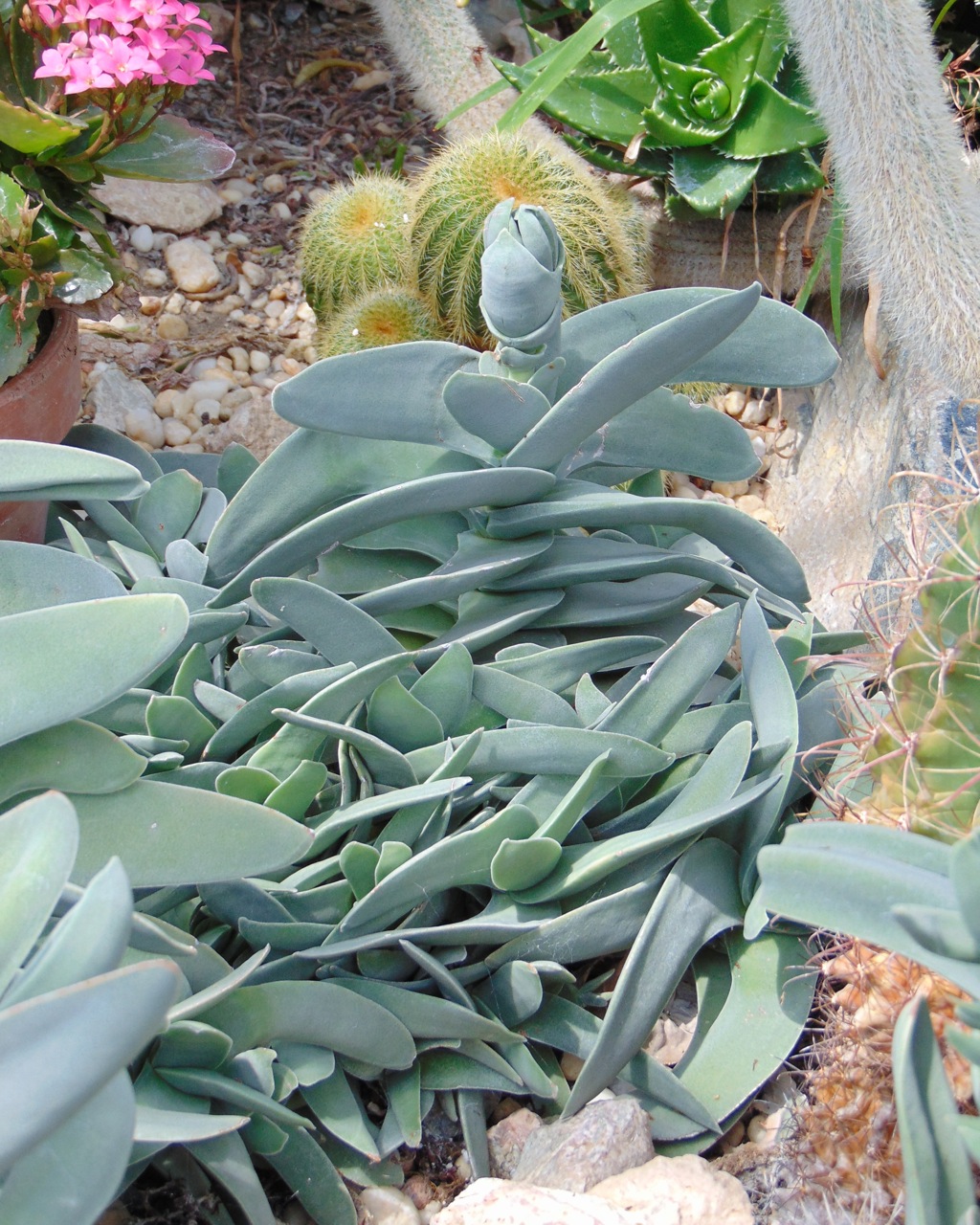
© Christer T Johansson
Crassula perfoliata L.
Propeller Plant / Airplane Plant
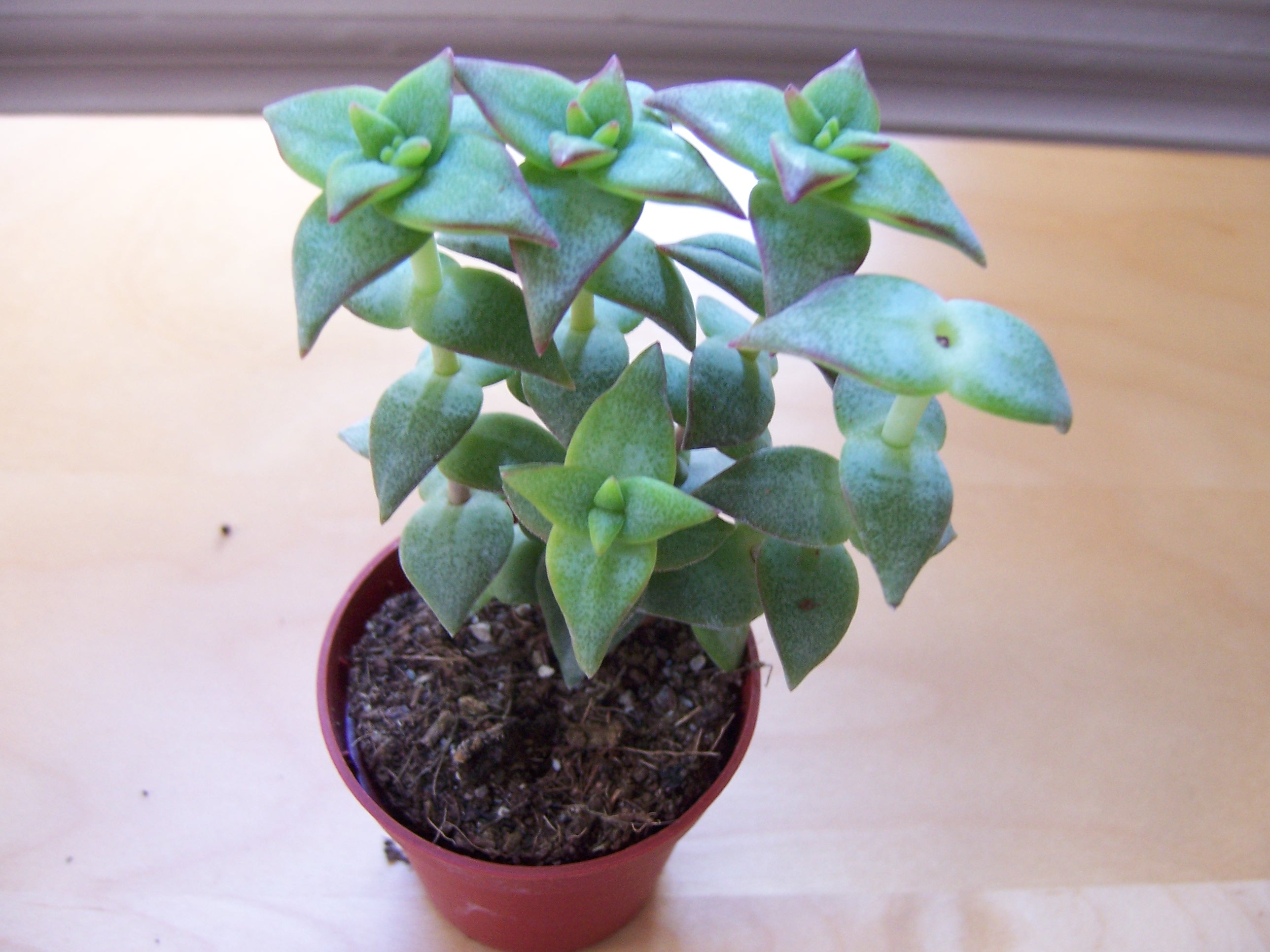
© Agnieszka Kwiecień, Nova
Crassula perforata Thunb.
String of Buttons / Necklace Vine

© BotBln
Crassula rupestris Thunb.
Rosary Vine / Bead Vine / Rock Crassula

© Krzysztof Ziarnek, Kenraiz
Crassula socialis Schönland
Social Crassula / Cliff Crassula

© Derek Ramsey
Crassula tetragona L.
Miniature Pine Tree