
Catevala setata (Haw.) Kuntze
Bristle-tipped haworthia
Rosette succulent with triangular leaves tipped with fine white bristles, giving it a distinctive spidery appearance. Small-growing species native to the arid zones of the Western Cape, South Africa.
chevron_right edit_note Proposed edits auto-approved at +3 net votes
No pending proposals for this section.
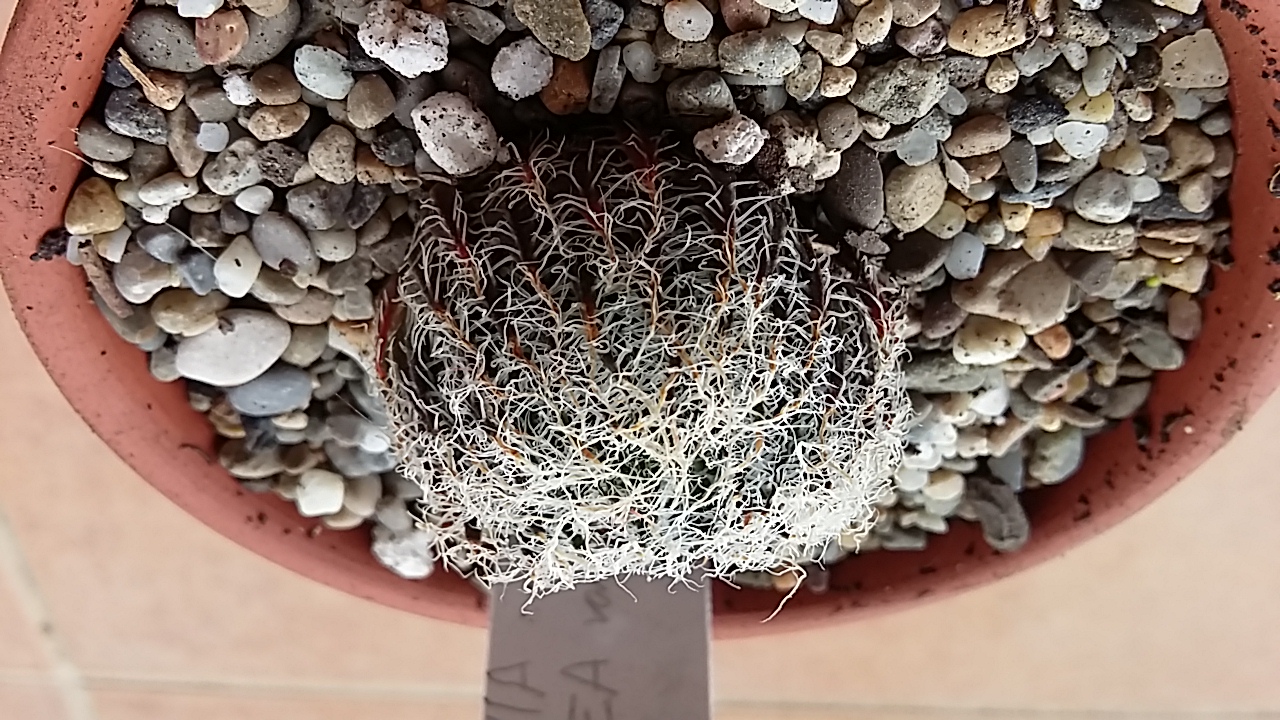
© Albert SN, Wikimedia Commons
CC BY-SA 4.0
Overview
| Category | Classification |
|---|---|
| Family | Asphodelaceae |
| Genus | Catevala |
| Growth Habit | Compact stemless rosette, usually solitary or forming small clusters. |
| Conservation Status | Least Concern |
| pH Target | 6.0–7.5 |
| Type | Sandy, very well drained |
Origin & Habitat
Morphology
Triangular, dark green to greyish, with aristate tips ending in rigid hyaline bristles.
ecoSimple raceme inflorescence; tubular whitish flowers with pinkish stripes.
ecochevron_right edit_note Proposed edits auto-approved at +3 net votes
No pending proposals for this section.
Requirements
Soil & Substrate
Type
Sandy, very well drained
chevron_right edit_note Proposed edits auto-approved at +3 net votes
No pending proposals for this section.
Propagation Strategy
- 1 Remove offset with roots
- 2 Let callus 1–2 days
- 3 Plant in dry substrate
- 4 Water after 7 days
Avoid excess moisture
Overwatering causing root rot
Every 2–3 years
Once a month in spring with diluted cactus fertilizer
Uses & Applications
Precautions / Toxicity
Not toxic to humans or pets.
chevron_right edit_note Proposed edits auto-approved at +3 net votes
No pending proposals for this section.
"Accepted synonym of Haworthia setata Haw. The epithet 'setata' refers to the bristle-like leaf tips."
chevron_right edit_note Proposed edits auto-approved at +3 net votes
No pending proposals for this section.
Scientific Integrity
🟢 HighVote to help validate this record
Sources
Loading…
Discussion
Disclaimer
This species record is provided for educational and informational purposes only. Jardín Roca Negra does not guarantee the accuracy or completeness of the data. Content is community-curated and may be subject to revision; it should not replace advice from a qualified botanist. This species may be toxic, invasive, or subject to legal restrictions — verify before handling or cultivating. Jardín Roca Negra accepts no liability for any harm arising from reliance on this information. Images are reproduced under Creative Commons or equivalent free licenses; credits are noted below each image.