
Astridia velutina (Dinter) Dinter
Velvety astridia
Astridia velutina is the most recognizable species in the genus for its leaves covered in fine velvety pubescence ('velutina': velvet-like), a unique trait among Astridia. Native to Namibia, it was originally described by Kurt Dinter and combined to the genus Astridia by the same author. Its flowers are vivid pink-magenta with numerous linear petals.
chevron_right edit_note Proposed edits auto-approved at +3 net votes
No pending proposals for this section.
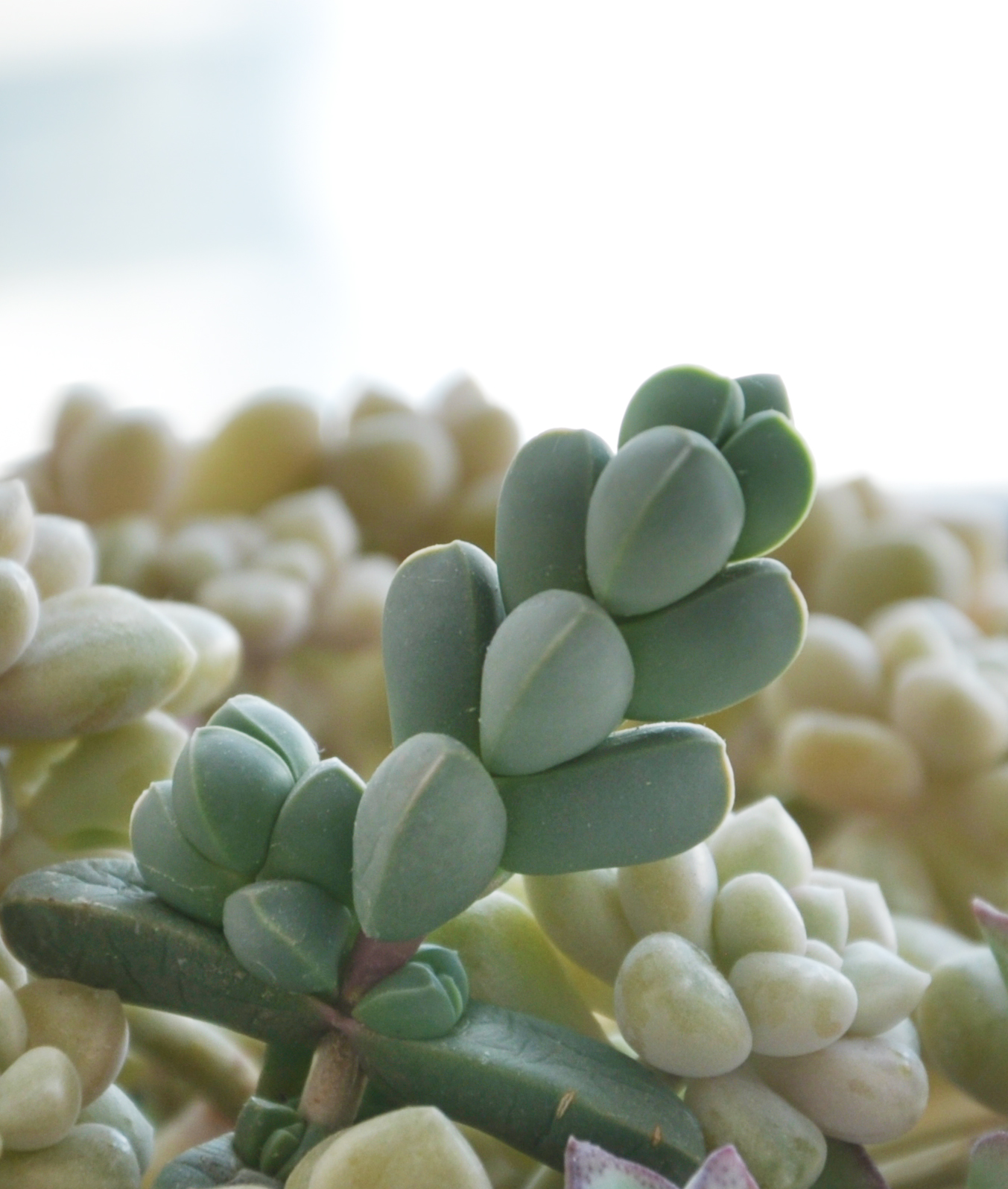
© © Zhangmoon618 (CC BY-SA 4.0)
CC BY-SA 4.0
Overview
| Category | Classification |
|---|---|
| Family | Aizoaceae |
| Genus | Astridia |
| Growth Habit | Succulent shrub 15–40 cm; pubescent (velvety) triquetrous leaves, grey semi-woody branches. Winter flowering. |
| Conservation Status | Vulnerable (VU) per IUCN; endemic to a restricted area of Namibia with few known populations. |
| pH Target | 6.5–7.5 |
| Type | Well-drained mineral: coarse sand + perlite |
Origin & Habitat
Morphology
Triquetrous, fleshy, 2–4 cm, covered in fine hairs giving a velvety texture; pale green to greyish. Unique diagnostic trait in the genus.
ecoVivid pink to magenta, 3–5 cm in diameter; abundant, shiny linear petals. Spectacular winter flowering.
ecoSemi-woody, grey, with dense branching from the base. Surface also slightly pubescent on young twigs.
ecoDehiscent capsule with 5–8 locules; typical of Ruschioideae.
ecochevron_right edit_note Proposed edits auto-approved at +3 net votes
No pending proposals for this section.
Requirements
Soil & Substrate
Type
Well-drained mineral: coarse sand + perlite
groups Beneficial Associations
chevron_right edit_note Proposed edits auto-approved at +3 net votes
No pending proposals for this section.
Propagation Strategy
- 1 Cut 5–8 cm segments; callous 2–3 days in dry place
- 2 Insert in mineral sand; do not water until rooted
- 3 Bright light without direct sun for first 2 weeks
D
Wetting leaves when watering
Every 2–3 years in spring
Diluted low-nitrogen mineral fertilizer, once or twice in winter.
Uses & Applications
Precautions / Toxicity
Non-toxic.
chevron_right edit_note Proposed edits auto-approved at +3 net votes
No pending proposals for this section.
Plant Health
chevron_right edit_note Proposed edits auto-approved at +3 net votes
No pending proposals for this section.
"The leaf pubescence of A. velutina is an uncommon adaptation among shrubby Ruschioideae mesembs and may relate to Namibian coastal fog capture ('fog harvesting'), a strategy documented in other plants of the Namibian Karoo."
chevron_right edit_note Proposed edits auto-approved at +3 net votes
No pending proposals for this section.
Scientific Integrity
🟢 HighVote to help validate this record
Sources
Loading…
Discussion
Disclaimer
This species record is provided for educational and informational purposes only. Jardín Roca Negra does not guarantee the accuracy or completeness of the data. Content is community-curated and may be subject to revision; it should not replace advice from a qualified botanist. This species may be toxic, invasive, or subject to legal restrictions — verify before handling or cultivating. Jardín Roca Negra accepts no liability for any harm arising from reliance on this information. Images are reproduced under Creative Commons or equivalent free licenses; credits are noted below each image.