
Aloe bulbillifera H.Perrier
Bulbil-bearing aloe
Aloe bulbillifera is a botanical rarity unique in its genus: it produces bulbils (small bulb-like structures) directly in the inflorescence, an exceptional vegetative reproductive strategy in Aloe. Endemic to the central plateau of Madagascar, this medium-sized aloe grows in rocky high-altitude environments with cool nights. Its orange-red flowers are visited by Malagasy sunbirds.
chevron_right edit_note Proposed edits auto-approved at +3 net votes
No pending proposals for this section.
Overview
| Category | Classification |
|---|---|
| Family | Asphodelaceae |
| Genus | Aloe |
| Growth Habit | Medium rosette on short stem, solitary |
| Conservation Status | Vulnerable |
| pH Target | 5.5–6.5 |
| Type | Sandy lateritic soil with some organic matter, slightly acidic pH |
Origin & Habitat
Morphology
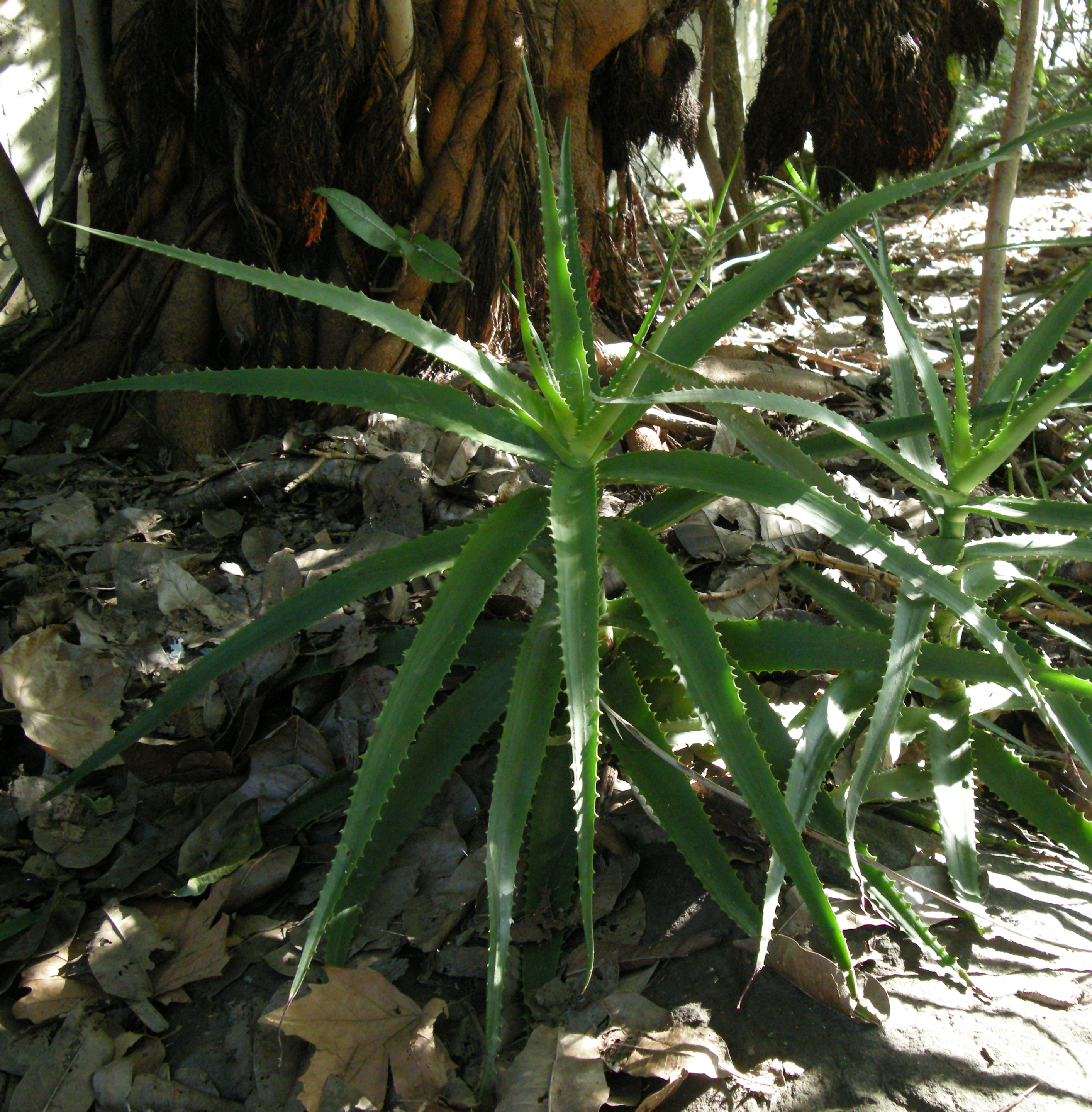
Lanceolate leaves 30–45 cm long, mid-green to grey-green, with brown marginal teeth 2–3 mm.
ecoShort stem 15–30 cm covered with withered leaves in mature plants.
ecoOrange-red tubular flowers 3 cm long in racemes on 50–70 cm peduncles; green bulbils 1–2 cm are produced in the inflorescence between the flowers.
ecoFibrous roots that penetrate the crevices of the lateritic rocks of the Malagasy plateau.
ecochevron_right edit_note Proposed edits auto-approved at +3 net votes
No pending proposals for this section.
Requirements
Soil & Substrate
Type
Sandy lateritic soil with some organic matter, slightly acidic pH
groups Beneficial Associations
chevron_right edit_note Proposed edits auto-approved at +3 net votes
No pending proposals for this section.
Propagation Strategy
- 1 Collect bulbils from the inflorescence when 1–2 cm and showing small roots.
- 2 Plant directly in moist lateritic substrate.
- 3 Maintain at 18–22 °C and moderate humidity.
- 4 They root and shoot in 3–5 weeks.
- 1 Sow in fine sandy substrate at 20–23 °C.
- 2 Cover with film and keep slightly moist.
- 3 Germinates in 4–7 weeks.
- 4 Transplant seedlings at 3–4 cm.
Bulbils are the easiest and most successful propagation method; always use them.
Letting bulbils fall without collecting them, losing them.
Every 2–3 years in spring
Diluted liquid fertilizer (½ dose), once a year in spring
Uses & Applications
Precautions / Toxicity
Toxic if ingested.
chevron_right edit_note Proposed edits auto-approved at +3 net votes
No pending proposals for this section.
"Bulbil production in the inflorescence is an adaptation to the steep rocky slopes of the Malagasy plateau, where seeds have little chance of germinating; the bulbils fall and root directly in the crevices."
chevron_right edit_note Proposed edits auto-approved at +3 net votes
No pending proposals for this section.
Scientific Integrity
🟡 MediumVote to help validate this record
Sources
Loading…
Discussion
Disclaimer
This species record is provided for educational and informational purposes only. Jardín Roca Negra does not guarantee the accuracy or completeness of the data. Content is community-curated and may be subject to revision; it should not replace advice from a qualified botanist. This species may be toxic, invasive, or subject to legal restrictions — verify before handling or cultivating. Jardín Roca Negra accepts no liability for any harm arising from reliance on this information. Images are reproduced under Creative Commons or equivalent free licenses; credits are noted below each image.